The objective of this article is to assist Landlords, Property Managers, and Tenants in better understanding what is a security deposit, how to handle a security deposit, and how to process a security deposit claim if applicable.
A Security Deposit is money provided to the Landlord or Landlord’s agent as security for the performance of the rental agreement and the preservation of the property.
State Statutes
Security Deposits are governed by your state statutes – Make sure to consult an attorney for clarification. The information below references Florida Statutes Landlord and Tenant laws; Chapter 83 section 49.
What is a Security Deposit?
A Security Deposit is a sum of money paid to the landlord, property manager or landlord’s agent, by the tenant, at the beginning of the lease agreement. It serves as a form of insurance for the landlord. Any potential damages to the property or unpaid rent during the tenancy can be claimed against the security deposit. Essentially, it provides financial security to the landlord in case the tenant fails to fulfill their obligations.
A landlord is allowed, and encouraged, to demand a security deposit from the tenant for them to be able to move into the landlord’s property. The security deposit (and amount) must be disclosed during the advertisement of the property.
I recommend demanding 2 security deposits instead of one but you’ll need to research your local market to determine if your market supports this.
Documentation
When managing security deposits it is imperative to maintain proper documentation of the condition of the property before move-in and after move-out. Furthermore, annual assessments of the property’s condition are advisable. This record-keeping serves as critical evidence should a dispute arise or legal proceedings, ensuring that you’re protected.
Purpose and Importance:
From the landlord’s perspective, a security deposit is a safeguard against unexpected expenses that may arise due to tenant negligence, such as property damage beyond normal wear and tear or unpaid rent. It offers a layer of protection and reassurance, allowing landlords to mitigate risks associated with renting out their properties. This applies to the landlord’s agent too, a Property Manager.
For tenants, providing a security deposit demonstrates financial responsibility and commitment to maintaining the property in good condition throughout the lease term. It also assures landlords of the tenant’s intention to abide by the terms of the lease agreement, thereby fostering trust and a positive landlord-tenant relationship.
Applicability and Regulations
The regulations governing security deposits vary by jurisdiction (State, County, City), with specific laws not only dictating how much landlords can charge, but also how deposits should be handled, and under what circumstances they can be withheld. Both parties must familiarize themselves with their State statutes, and all applicable laws, to protect their rights.
Return and Disposition
Upon termination or expiration of a lease agreement, landlords are usually obligated to return the security deposit to the tenant within a specific timeframe, minus any deductions for damages beyond normal wear and tear or unpaid rent. Documentation is key during this process. Applicable laws require you to be transparent, even if not, it is advisable that you are. Provide an itemized list of deductions along with any remaining balance of the security deposit.
Understanding the legal requirements regarding the return and disposition of the security deposit is essential, as a landlord, to avoid potential disputes and legal repercussions. Failure to adhere to these regulations can result in penalties and damages, and on top of that, you will be required to return 100% of the security deposit to the tenant.
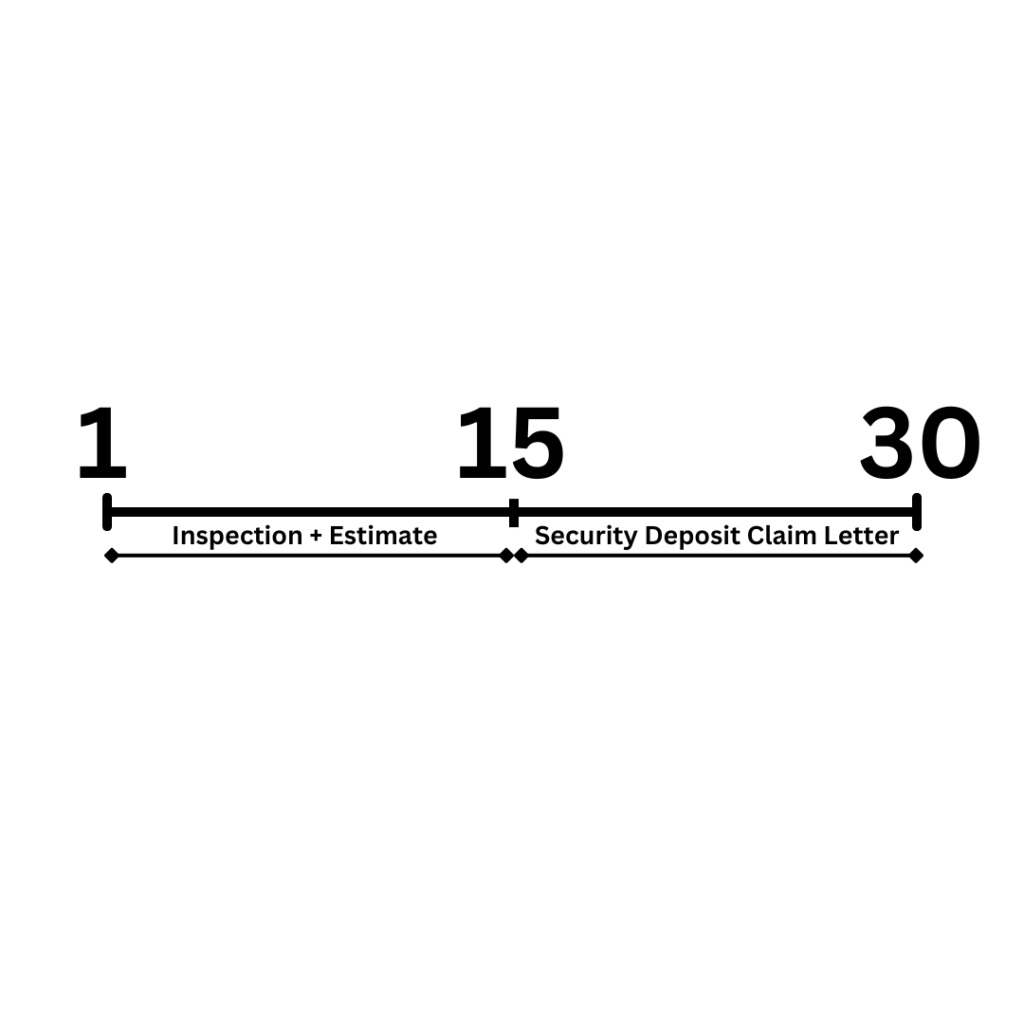
It’s recommended that once a tenant moves out, between the 1st and 15th day, you inspect the property and obtain an estimate from your vendor(s) (cleaners, handyman, contractors), to determine if you’ll have to make a claim for anything on the tenant’s security deposit.
Between the 15th and 30th day, you ensure that you send out a property security claim letter via certified mail (check your State Statutes and local laws about this). If the tenant does not respond within 15 days after the receipt of the notice, the tenant is relinquishing any rights to dispute it in the future.
Your security claim letter should include;
- A Security Claim Letter based on your State, with the certified mail tracking code on it. (Check your State laws)
- An itemized list of claims you are making.
- A check for the difference (if applicable) with the Final Settlement written on the memo.
Landlords
As a landlord, security deposits are an essential, vital part of renting out your property to a tenant. Make sure to understand the regulations, procedures, and ethics when it comes to handling and processing a security deposit.
Step-by-Step Security Deposit Process For Landlords & Property Managers
- Document the Property BEFORE the tenant moves in. The more pictures, the better.
- Perform annual inspections if feasible.
- Upon tenant move-out, perform an inspection within 15 days. Have your vendor(s) get you an estimate on all cleaning and repairs required. Normal wear and tear does not count against the tenant.
- After the original 15 days of the tenant’s move-out, send the tenant, via certified mail, the security claim letter. If you’re not claiming anything, just send the tenant a check via certified mail.
Property Manager
As a Property Manager, it’s imperative that as a professional you have an above-average understanding of the regulations, procedures, and ethics of security deposits.
Tenant
As a Tenant, you should understand the basics of the purpose, application, and procedures revolving around a security deposit. By doing so, you better safeguard yourself and your money and reputation. At http://www.MyTenantMatters.com, we’re here to guide you on becoming a better tenant so you can better protect yourself.
Step-by-Step Guide on Security Deposits for Tenants
- Document the condition of the property before moving in. The more pictures, the better. If you’re able to write down notes and attach them to this inspection report, do it.
- Maintain the property properly. As a tenant, you do have certain responsibilities to maintain and preserve the property in the condition, or better, that you received it. Do not allow things to deteriorate, do not damage the property, and make sure to notify the landlord, or landlord agent, of any and all issues that arise. even if you are not bothered by an issue, notify the landlord, or his/her agent, in writing so that it cannot be blamed on you.
- Before handing the key back to the landlord or his/her agent, remove all belongings from inside the property and perform your move-out inspection. Document the condition of the property via pictures, and notes if feasible. Keep these records until the security claim timeline is complete.
- After your move-out, if you’ve received a letter in the mail putting a claim on your security deposit, verify the dates. Was this sent to you within 30 days of your move-out date? If not, they have failed to follow the law. If yes, check the itemized list of claims. If they are claiming things they cannot, you have legal grounds to dispute the claims. If not, check your inspection report (pictures) and compare and contrast it to how you left the property.
- You have 15 days after receipt of the security claim letter to respond. Time is of the essence during the security claim process.
- Dispute the charges. Show proof via your inspection reports and notes. The landlord or his/her agent might just refund you those funds. If not, you will have to hire an attorney.
Conclusion
In summary, a security deposit plays a vital role in the relationship between a landlord and a tenant, serving as a financial safeguard for landlords and a commitment indicator for tenants. By understanding its purpose, applicability, and regulations, both parties can navigate the rental agreement with confidence and integrity. Effective communication, documentation, and adherence to legal requirements are fundamental in ensuring a smooth and mutually beneficial rental experience for all involved parties.
Discover more from My Tenant Matters
Subscribe to get the latest posts sent to your email.
 My Tenant Matters
One thought on “Security Deposit”